
What SentinelRx Does
You are caring for an elderly person who takes multiple prescription medications. Every time you reach for an over-the-counter product — a pain reliever, a cold medicine, a sleep aid, a supplement — you face a question no one has prepared you to answer: is this safe with everything they're already taking?
SentinelRx answers that question. You describe the product or share a photo of the label. It checks the ingredients against your patient's medication list and returns one clear decision — every time.
The Four Answers
How to Use It — Three Steps
-
Find the active ingredients. Look at the back of the box or bottle. Find the section labeled "Active Ingredients" — it lists what the product actually contains and at what dose. That's what SentinelRx reads.
-
Tell SentinelRx the product name and its active ingredients. Type it out or share a photo of the label in the conversation. Either works.
-
Read the decision and act on it. SentinelRx tells you exactly what to do — and why. No medical knowledge needed to understand the answer.
Why This Matters
The assumption that "it's over-the-counter, so it's safe" is one of the leading causes of preventable drug harm in elderly patients. Products sold in every pharmacy — Tylenol PM, Benadryl, Aleve — carry serious risks for patients on common prescriptions. The risks are documented. The information exists. It just hasn't been accessible at the moment a caregiver is standing in the pharmacy aisle.
SentinelRx puts that information in your hands, before the purchase, in under 60 seconds.
3 Products That Catch Most Caregivers Off Guard
| Product | The trap | Decision |
|---|---|---|
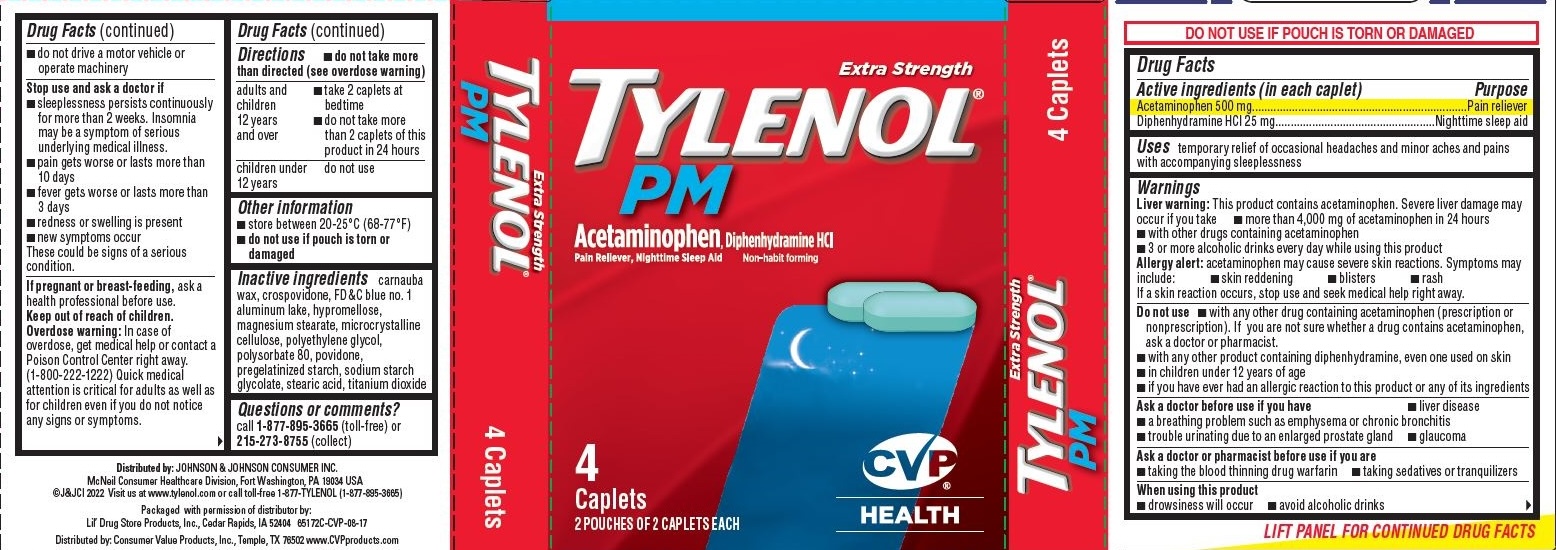
| Tylenol PM / Advil PM / Aleve PM | Contains diphenhydramine — FDA Beers Criteria Class I flag for anyone over 65. Causes confusion, fall risk, urinary retention. The "PM" label doesn't say this. | 🚫 DO NOT TAKE |
| Benadryl / ZzzQuil / Unisom | Same active ingredient (diphenhydramine or doxylamine), same risk. Sold as "allergy" or "natural sleep" — the label doesn't change the compound. | 🚫 DO NOT TAKE |
| Aleve (naproxen) | An NSAID — dangerous with blood thinners, blood pressure medications, and diuretics. 12-hour half-life means prolonged exposure to GI and kidney risk. | 🚫 DO NOT TAKE |
Limitations — Know These Before You Rely on SentinelRx
SentinelRx is built on US regulations — the FDA Beers Criteria 2023 and US drug classifications. It is not valid for patients or products outside the United States. See the Disclaimer tab for full details.
SentinelRx operates on a single active patient profile. Managing multiple patients is not supported in this version.
If a prescription was changed and the profile wasn't updated, SentinelRx will use outdated data. Update the profile the same day anything changes — especially after a hospital stay.
Prescription medications, injectables, and medical devices are outside scope. SentinelRx does not adjust existing prescriptions or evaluate prescription drug combinations.
What You Need
A Claude.ai account with Projects access (Claude Pro or Team plan). No technical skills required beyond basic file management — if you can move files from a folder to a website, you can install SentinelRx.
Setup — One Time Only
-
Create a new Claude Project.
Go to claude.ai → Projects → New Project. Name it after your patient or call it "SentinelRx." -
Upload the SentinelRx folder contents to the Project.
In Project Settings → Project Knowledge, upload all files:CLAUDE.md,identity.md,rules.md,examples.md, and everything insidereference/,templates/, andpatients/. -
Set up the patient profile.
Opentemplates/patient-profile-template.md. Fill it in completely — name, age, all current prescriptions, known conditions, allergies. Save it aspatients/[patient-name].mdand upload it to the Project. -
Test it.
Start a conversation in the Project. Type: "Active ingredients: Acetaminophen 500mg, Diphenhydramine HCl 25mg. Product: Tylenol PM."
You should get 🚫 DO NOT TAKE with a Beers Criteria citation. If you do, the operator is working.
Keeping It Current
Patient Profile Fields
The patient profile is the only thing that makes SentinelRx specific to your patient. Every field below feeds the decision logic directly — incomplete profiles produce less reliable decisions.
| Field | Why it matters | Required |
|---|---|---|
| LAST_UPDATED | SentinelRx shows a staleness warning when this date exceeds the threshold. Update every time anything changes. | Required |
| STALENESS_THRESHOLD_DAYS | Default 14 days. How many days before SentinelRx flags the profile as potentially outdated. Reduce to 7 for patients with frequent prescription changes. | Optional |
| Age | FDA Beers Criteria applies at 65+. Age also triggers dosing adjustments for patients over 80. | Required |
| Current prescriptions | Every drug, dose, and frequency — this is the primary interaction check. Missing a drug means missing a potential conflict. | Required |
| Known conditions | Enables condition-specific rules: CKD → NSAID risk; heart failure → NSAID/fluid risk; hypertension → decongestant risk. | Required |
| Known allergies | Cross-referenced on every scan. | Required |
| OTC products already in regular use | Required to calculate total daily acetaminophen — hidden in many combination products. | Required |
| Kidney / liver function | Activates drug clearance rules critical for metformin, NSAIDs, and digoxin. | Recommended |
| Fall risk | Adds a warning to any medication that increases sedation or dizziness. | Recommended |
| Recent hospitalizations | Context for the staleness warning — any hospitalization is a high-risk change window. | Recommended |
Staleness Threshold — How Often to Update
The STALENESS_THRESHOLD_DAYS value tells SentinelRx how long to trust the profile before flagging it as potentially outdated. The default is 14 days.
| Situation | Recommended setting |
|---|---|
| Stable medications, changes are infrequent | 14 days (default) |
| On warfarin — INR checked every 2–4 weeks with dose adjustments | 7 days |
| Within 30 days of a hospitalization | 3–7 days |
| Multiple active conditions, frequent lab reviews | 7 days |
A staleness threshold catches calendar-based drift. It cannot catch a prescription change that happened today. This is why SentinelRx appends a hospitalization reminder to every scan — because the most dangerous moment is right after a hospital discharge, when medications often change significantly and caregivers are most exhausted.
Audit Trail — Keeping a Scan History
After every scan, SentinelRx automatically writes a log entry to audit/scan-log.md. No action required — the file is updated before the response is complete.
This builds a human-readable history of every check — what was scanned, what was decided, and what the profile looked like at the time. The log can be shown to a doctor, pharmacist, or other caregiver at any time.
Reference Files — Pre-Loaded, Rarely Changed
| File | What it contains | When to update |
|---|---|---|
beers-criteria-summary.md | FDA Beers Criteria 2023 — OTC-relevant drug classes and disease interactions | When AGS publishes an updated Beers Criteria (every ~3 years) |
risk-reference.md | OTC × prescription interaction matrix; products commonly assumed safe but flagged | If a new confirmed interaction is identified |
brand-ingredient-map.md | Active ingredients for common OTC brands — Tylenol PM, NyQuil, Excedrin, etc. | When manufacturers change formulations — verify against current packaging |
Five real-world edge cases — each one shows a moment where the common assumption was wrong and SentinelRx caught it.
Example 1 — The PM Suffix Trap
Situation: Caregiver picks up Tylenol PM for nighttime pain. Assumes it's just regular Tylenol with a sleep component added. Patient is 86, on digoxin and furosemide.
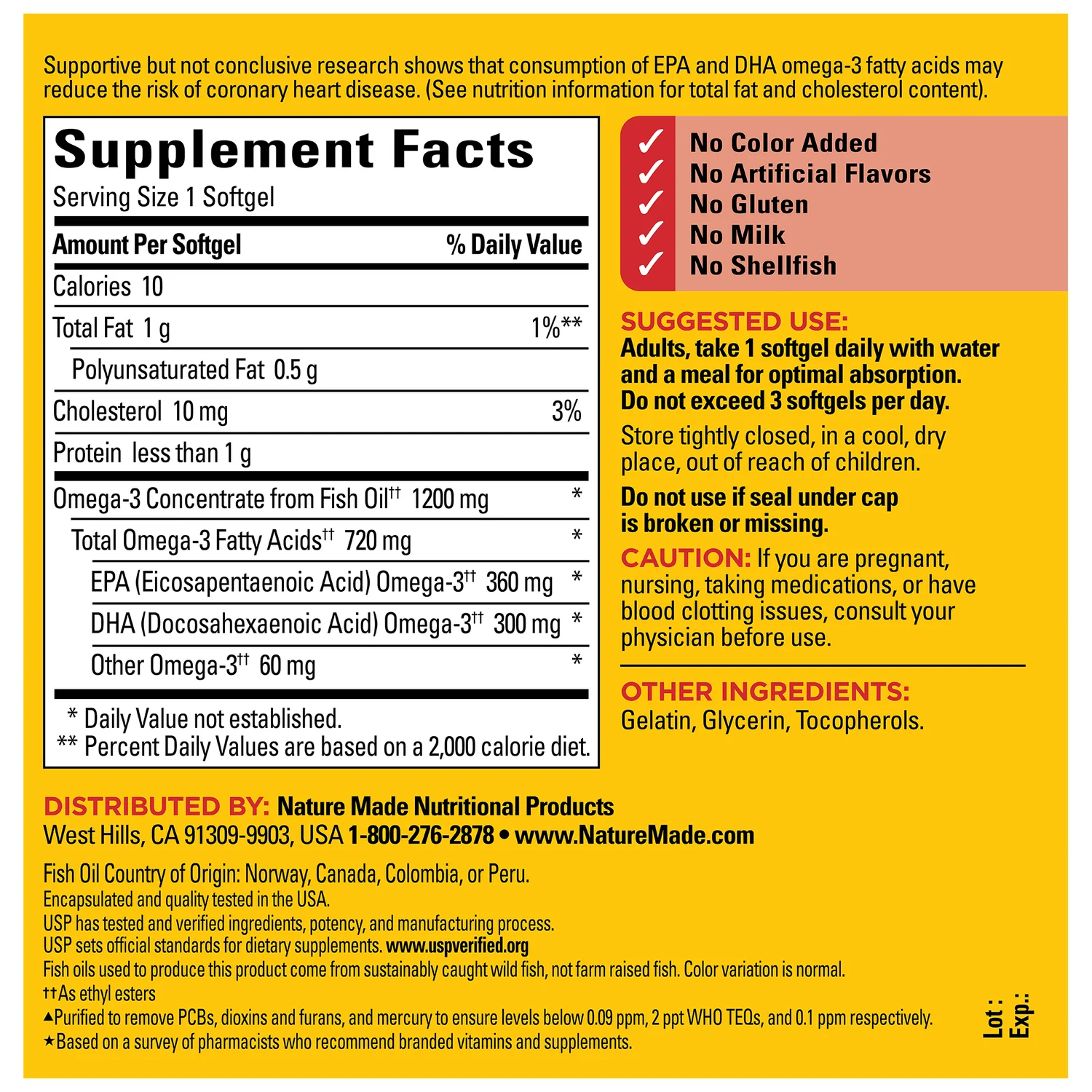
Example 2 — The Natural Supplement Trap
Situation: Caregiver buys high-dose fish oil (1200mg), marketed as heart-healthy. Patient is on warfarin. The fish oil label says nothing about drug interactions.
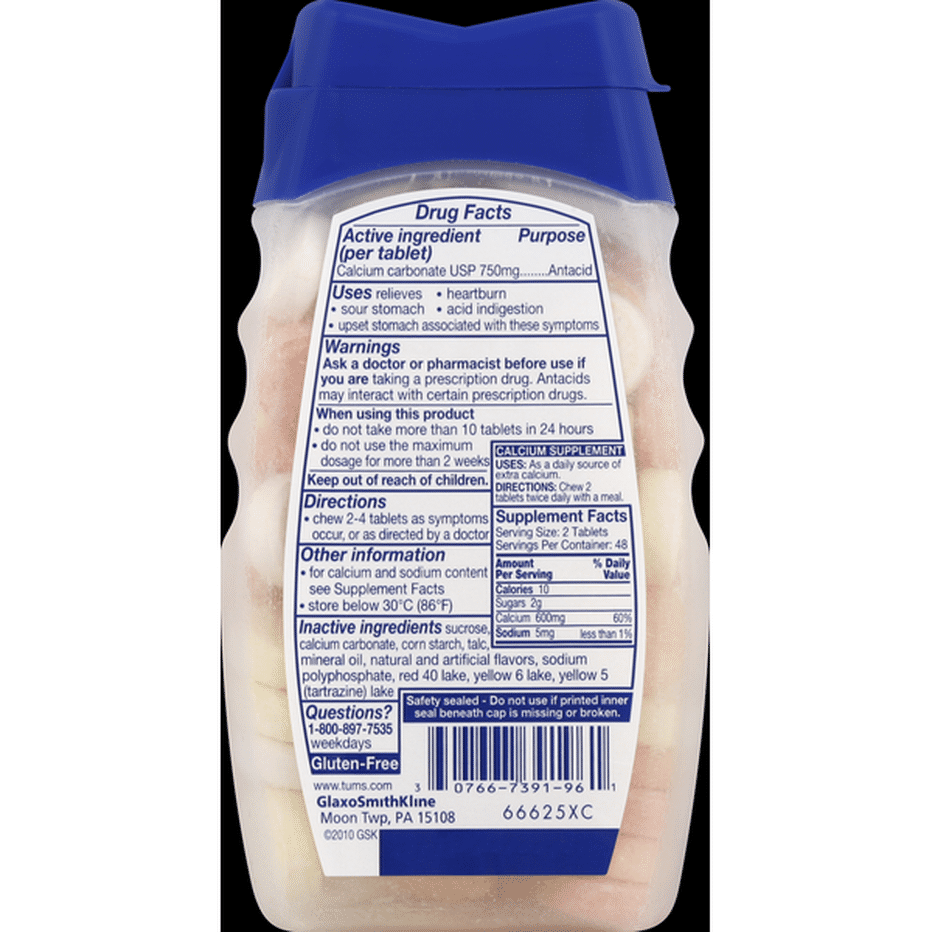
Example 3 — Safe, But Only at the Right Time
Situation: Caregiver asks about Tums for heartburn. Patient takes levothyroxine every morning. Not a hard stop — but timing matters.
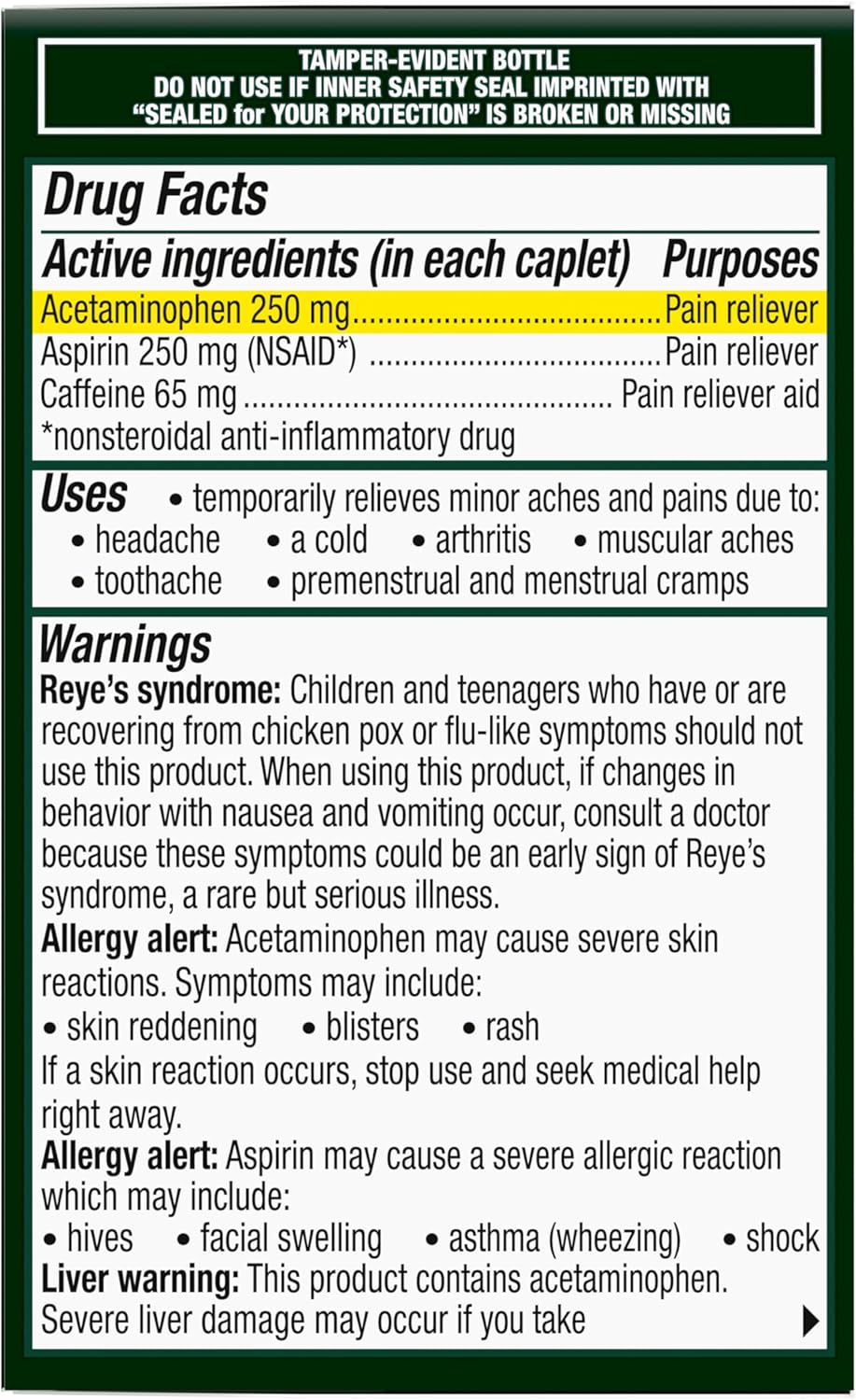
Example 4 — Hidden Acetaminophen Buildup
Situation: Patient already takes Excedrin Extra Strength for headaches. Caregiver considers adding regular Tylenol for back pain the same afternoon — not realizing Excedrin already contains acetaminophen.
Example 5 — Stale Profile After Hospitalization
Situation: Patient was hospitalized 3 days ago. Her doctor switched her from warfarin to apixaban and increased her furosemide. The caregiver hasn't updated the profile yet. Profile is 22 days old. Caregiver photographs Advil.
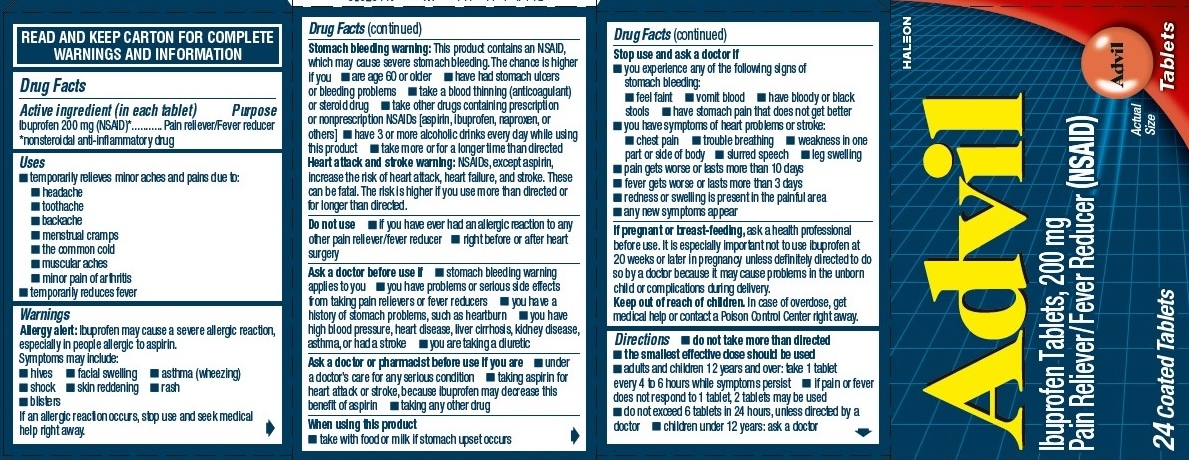
The decision (DO NOT TAKE) is correct — apixaban, the new drug, carries the same NSAID interaction as warfarin. But the profile didn't know about the switch. If the hospitalization had added a new drug that creates an interaction not in the old profile, SentinelRx would have missed it. The staleness warning is the only safety net here. Update the profile the same day your patient is discharged.
United States Only — Do Not Use Outside the US
SentinelRx is built exclusively on United States regulatory standards. It is not valid for any other country.
SentinelRx's decision logic is grounded in the American Geriatrics Society (AGS) Beers Criteria® 2023 — a US-specific clinical guideline for potentially inappropriate medication use in older adults. All drug classifications, interaction risks, dosing thresholds, and escalation rules in this operator are derived from US regulatory sources.
The following vary significantly between countries and are not accounted for in SentinelRx:
- Drug approval status — medications available OTC in the US may be prescription-only elsewhere, and vice versa
- Active ingredient formulations — brand names may contain different compounds or doses in different markets
- Approved dosing ranges — what is a standard adult dose in the US may differ in other countries
- Regulatory classification of risk — a drug classified as high-risk by the US FDA may be classified differently by EMA, Health Canada, TGA, or other agencies
- Available alternatives — safe substitutes recommended by SentinelRx may not be available in other countries
Using SentinelRx for patients outside the United States may produce decisions that are incorrect, inapplicable, or actively misleading for that patient's actual medication context. A DO NOT TAKE decision may be based on an interaction that does not apply to the version of the drug available in your country. A SAFE TO TAKE decision may miss a risk that exists in your country's formulation. Do not use SentinelRx outside the United States.
Medical Disclaimer
SentinelRx is a decision-support tool, not a licensed medical or pharmacy service. It applies encoded rules derived from published clinical guidelines to a stored patient profile. It does not replace the judgment of a licensed pharmacist or physician.
SentinelRx always recommends consulting a pharmacist or physician when:
- The product label is incomplete, illegible, or unusually complex
- The interaction is novel or outside the encoded rule set
- The patient's condition has recently changed
- Any doubt exists about the correctness of the stored patient profile
When SentinelRx returns 📞 CALL PHARMACIST FIRST, that instruction is not a hedge — it is the decision. Do not override it.
Known Failure Modes
SentinelRx is designed to escalate rather than guess in these situations. These are not bugs — they are explicit design choices:
| Situation | What SentinelRx does | Why |
|---|---|---|
| Active ingredient list is incomplete or illegible | 📞 CALL PHARMACIST FIRST | A partial assessment is worse than no assessment |
| Combination product with more than 4 active ingredients | 📞 CALL PHARMACIST FIRST | Interaction complexity exceeds reliable rule coverage |
| Unrecognized ingredient not in the rule set | 📞 CALL PHARMACIST FIRST | Cannot assess what it cannot identify |
| Patient profile not updated after hospitalization | Staleness warning appended to output | The profile may not reflect current prescriptions — caregiver must verify |
In all four cases: a wrong confident answer is more dangerous than a correct escalation to a professional.
Regulatory Source
All decision logic in SentinelRx is grounded in:
American Geriatrics Society 2023 updated AGS Beers Criteria® for Potentially Inappropriate Medication Use in Older Adults. J Am Geriatr Soc. 2023. Published by the American Geriatrics Society. Available at americangeriatrics.org.
The Beers Criteria is updated approximately every 3 years. SentinelRx should be reviewed and updated when a new version is published. The current version encoded in this operator is the 2023 update.
Prototype Disclaimer — EU AI Act
SentinelRx is a competition prototype. It is not a deployed product and must not be used for real clinical decisions.
SentinelRx was created as a submission for Jake Van Clief's Operator Challenge #7 on Skool.com and is shared publicly for educational and demonstration purposes only.
This system has not been placed on the market, put into service, or validated for clinical use. It is a pre-market prototype and falls within the research and development exclusion of Article 2(8) of EU Regulation (EU) 2024/1689 (EU AI Act), which exempts AI development activity prior to market placement. Outputs produced by this system are illustrative only and carry no clinical authority.
This system does not constitute a medical device under EU Regulation (EU) 2017/745 (EU MDR) or under US FDA definitions. It does not replace a licensed pharmacist or physician, and has undergone no clinical validation.
SentinelRx is built exclusively on US regulatory frameworks (FDA Beers Criteria 2023) and is not designed, validated, or intended for use in the European Union or any jurisdiction outside the United States. The Article 2(8) EU AI Act exemption applies to this prototype in its current pre-market, non-deployed state.
Notice to Future Deployers
Any person seeking to deploy a comparable system in a real-world context must conduct a full EU AI Act compliance assessment prior to market placement or operational use. Health-related AI advisory systems may qualify as high-risk AI under Annex III of Regulation (EU) 2024/1689 and would be subject to the obligations applicable to high-risk AI providers and deployers under that regulation.